Case Study · Pluralsight · 2024–2025
Notificationsfor FLOW.
A data-driven, intelligent notification system for engineering teams — built to reduce cycle times, boost engagement, and surface the right information at the right moment.
Case Study · Pluralsight · 2024–2025
A data-driven, intelligent notification system for engineering teams — built to reduce cycle times, boost engagement, and surface the right information at the right moment.
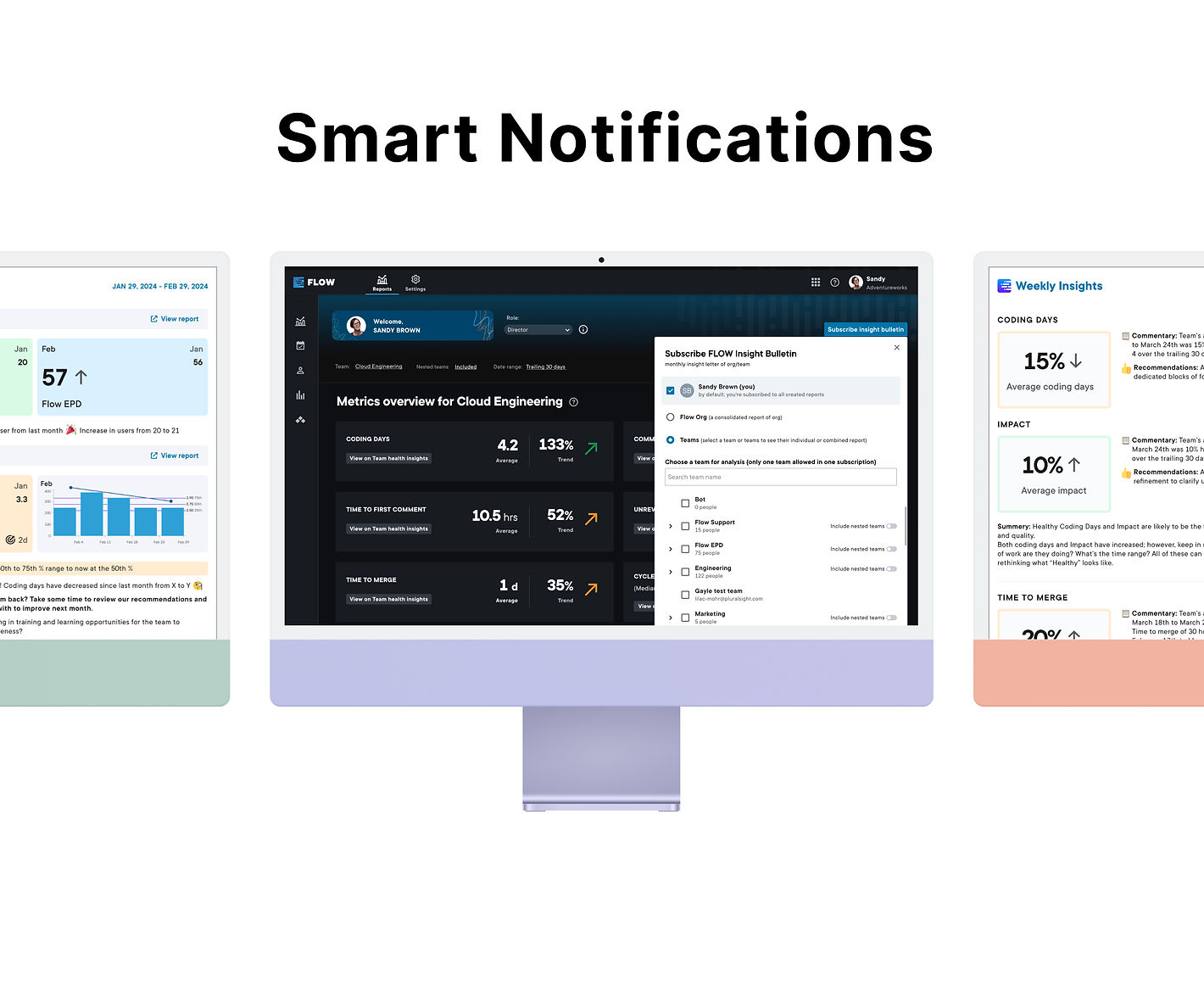
Notifications in our B2B product, "Flow," leverage data-driven insights and intelligent algorithms to deliver timely, personalized, and relevant alerts. These notifications help engineering teams stay updated on project statuses, reduce cycle times, enhance team performance, and boost confidence in delivery by providing actionable, context-aware information right when it's needed. Notifications can significantly improve user engagement and productivity by tailoring content to individual user needs and optimizing delivery times.
The Problem
To retain existing customers and increase engagement, we identified several critical gaps within "Flow" that hinder user retention and productivity. Key customer problems include:
01
Users face challenges with manual data sorting and delayed responses due to the absence of automated alerts for significant commits or important events.
02
There is a need for an easily accessible view of team members requiring assistance and their task progress to support the team and ensure task completion effectively.
03
Users request alerts at the team level when metrics deviate from a healthy range, avoiding individual targeting while maintaining smooth operations and prompt issue resolution.
04
Difficulty in navigating and finding relevant content within the platform hampers effective engagement and goal achievement.
Objective
To address these customer problems, we initiated the development of notifications. This initiative aims to enhance user retention and engagement by delivering personalized, context-aware alerts. By providing timely and relevant information tailored to individual user needs, we aim to:
Increase User Retention
Ensure that existing customers remain engaged with "Flow" by providing continuous value through relevant notifications.
Boost User Engagement
Encourage users to spend more time on the platform by offering actionable insights and updates that keep them informed and involved.
Improve Productivity
Support engineering teams in staying updated on critical metrics and project statuses, enhancing their productivity and confidence in delivery.
Enhance User Experience
Deliver a seamless and intuitive notification system that adds value without being intrusive, ultimately improving the overall user experience.
By meeting these objectives, the notification initiative aims to create a compelling feedback loop that encourages users to return to "Flow" frequently, solidifying it as an essential tool for their daily operations and long-term success.
Strategy
Our notifications initiative aims to overhaul the existing system, addressing feedback about information accessibility and report creation complexity. The goal is to boost user retention and engagement through timely, actionable notifications. We're executing this plan in phases:
Phase 01
We began with the Minimum Viable Product (MVP), targeting VPs and Directors with monthly email reports and weekly notifications. This phase involved brainstorming, customer interviews, and parallel backend architecture development.
Phase 02
We're conducting thorough testing in three phases — Internal UAT, Alpha Testing within Pluralsight, and Beta Testing with selected customers — to refine and validate the system before General Availability (GA).
Phase 03
Post-H1, we're rolling out a new system based on user feedback, focusing on improved navigation and simplified processes for creating reports and Slack rules.
Approach to Solution & Process
We implemented a strategic approach that involved thorough research, collaborative brainstorming, and cross-functional teamwork. Our structured process ensured that the solution was well-grounded and aligned with user needs.
Step 01
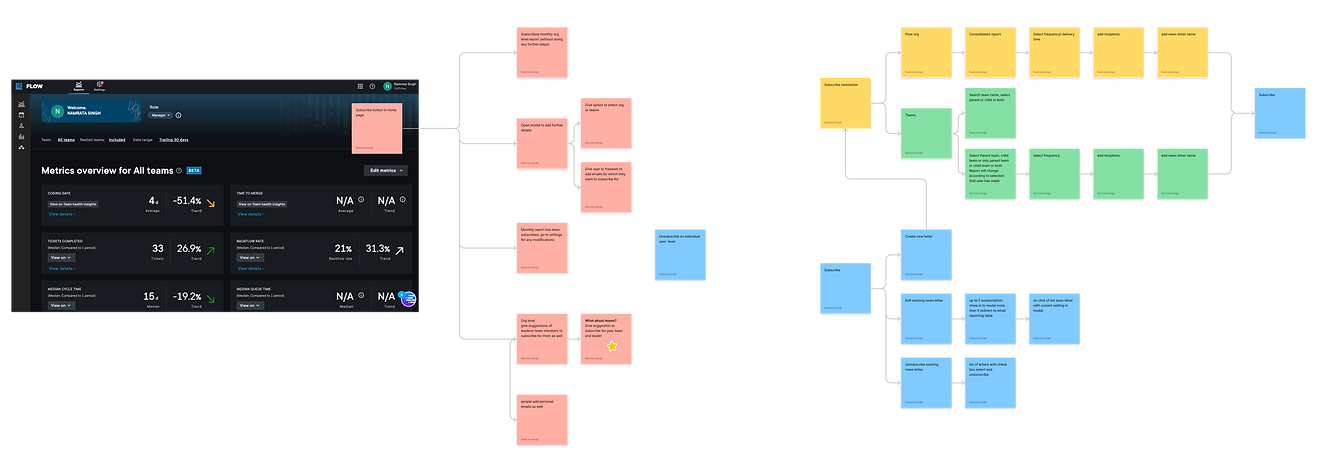
We began with brainstorming sessions involving various teams to generate ideas on desired notifications and preferred delivery channels. This step provided valuable initial insights and helped shape our approach.
Step 02
Next, I did secondary research to gather and summarize existing knowledge about smart notifications — reviewing literature, case studies, and industry best practices, identifying common problems and successful strategies.
Step 03
Based on the research findings, we defined our target personas — Vice Presidents (VPs) and Directors — who are crucial for user retention. We decided to develop monthly email reports and weekly email notifications tailored to their needs for the MVP.
Step 04
Recognizing the importance of direct feedback, we planned a series of interviews with select customers to validate our assumptions and gather detailed insights into user needs and preferences.
Step 05
Given the complexity of the project, we engaged in extensive cross-functional collaboration. We connected with all customer-facing teams to gain deeper insights into the basic needs of our target personas.
Step 06
While the product team focused on research and discovery, the engineering team worked on developing the backend architecture necessary to support the smart notifications. This parallel effort ensured technical development kept pace with research insights.
Step 07
Due to the time required for customer recruitment, we initially utilized insights from internal teams. These meetings provided a preliminary understanding of target personas' needs and helped us identify key metrics for success.
Step 08
We conducted customer interviews to validate our hypotheses and gather feedback on our proposed solution. The insights confirmed that our approach was on the right track and highlighted areas for further refinement.
Following this strategic approach and structured process allowed us to develop a well-grounded smart notification system tailored to the needs of VPs and Directors. This methodical approach ensured that our solution was effective in driving user retention and engagement within "Flow."
Designing Notifications
As part of our initiative to enhance user retention and engagement within "Flow," I designed a comprehensive smart notification system. This system includes three key experiences: subscribing to a monthly report, receiving weekly notifications, and managing subscriptions. Additionally, I ensured seamless integration with the current messaging system to provide a cohesive user experience.
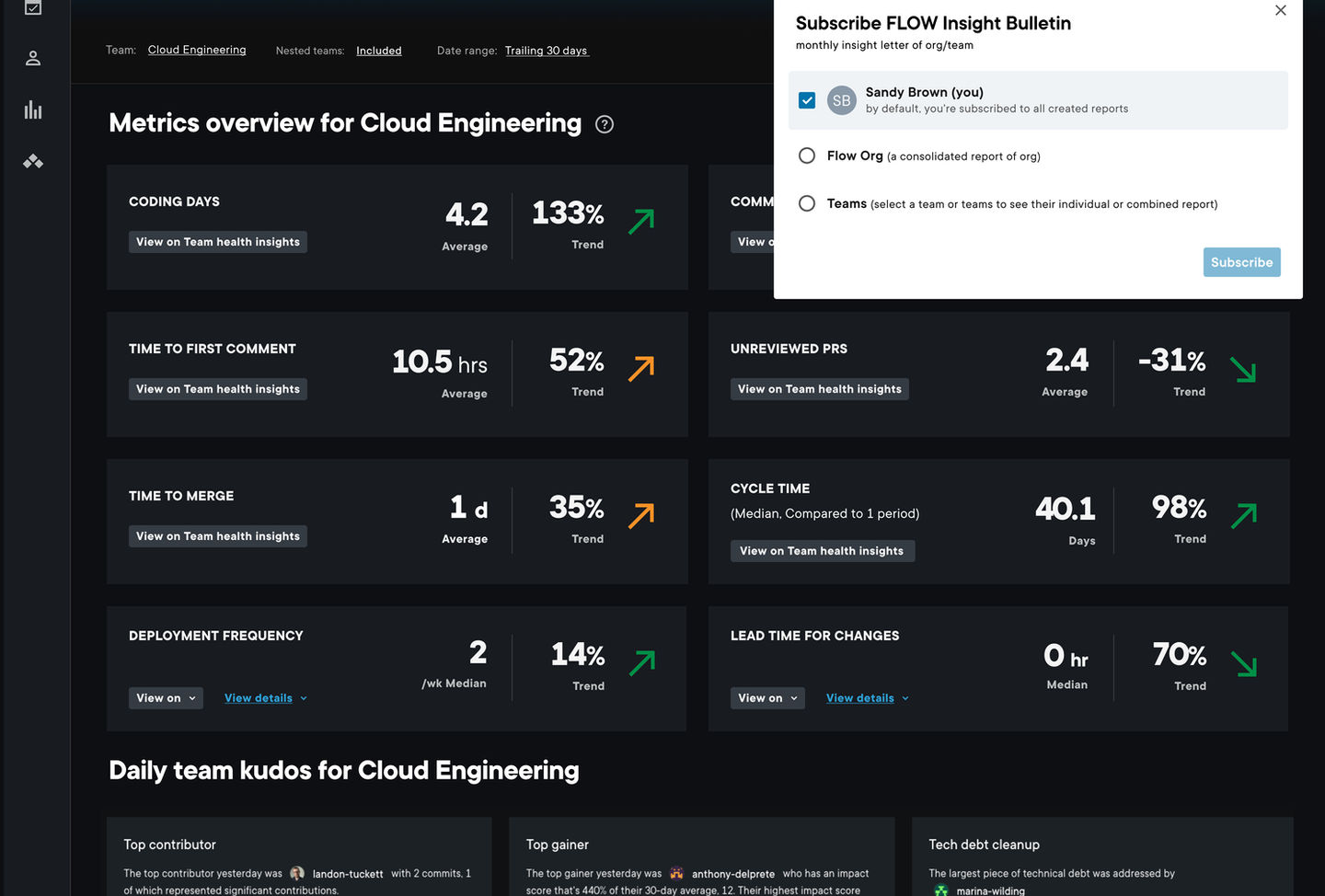
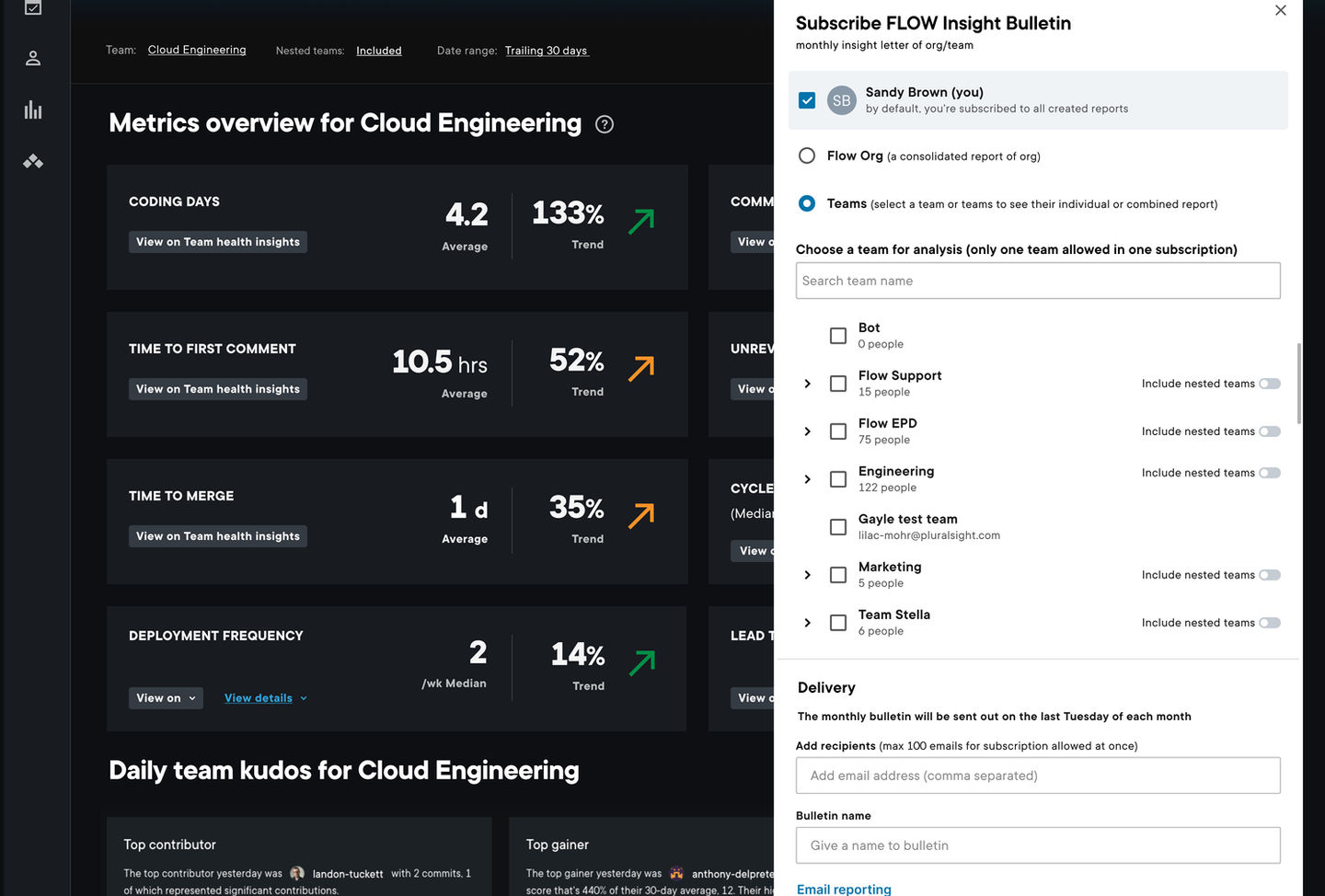
Experience 01
To streamline the process of subscribing to monthly reports, I designed a user-friendly interface where users can easily opt in. Key features include:
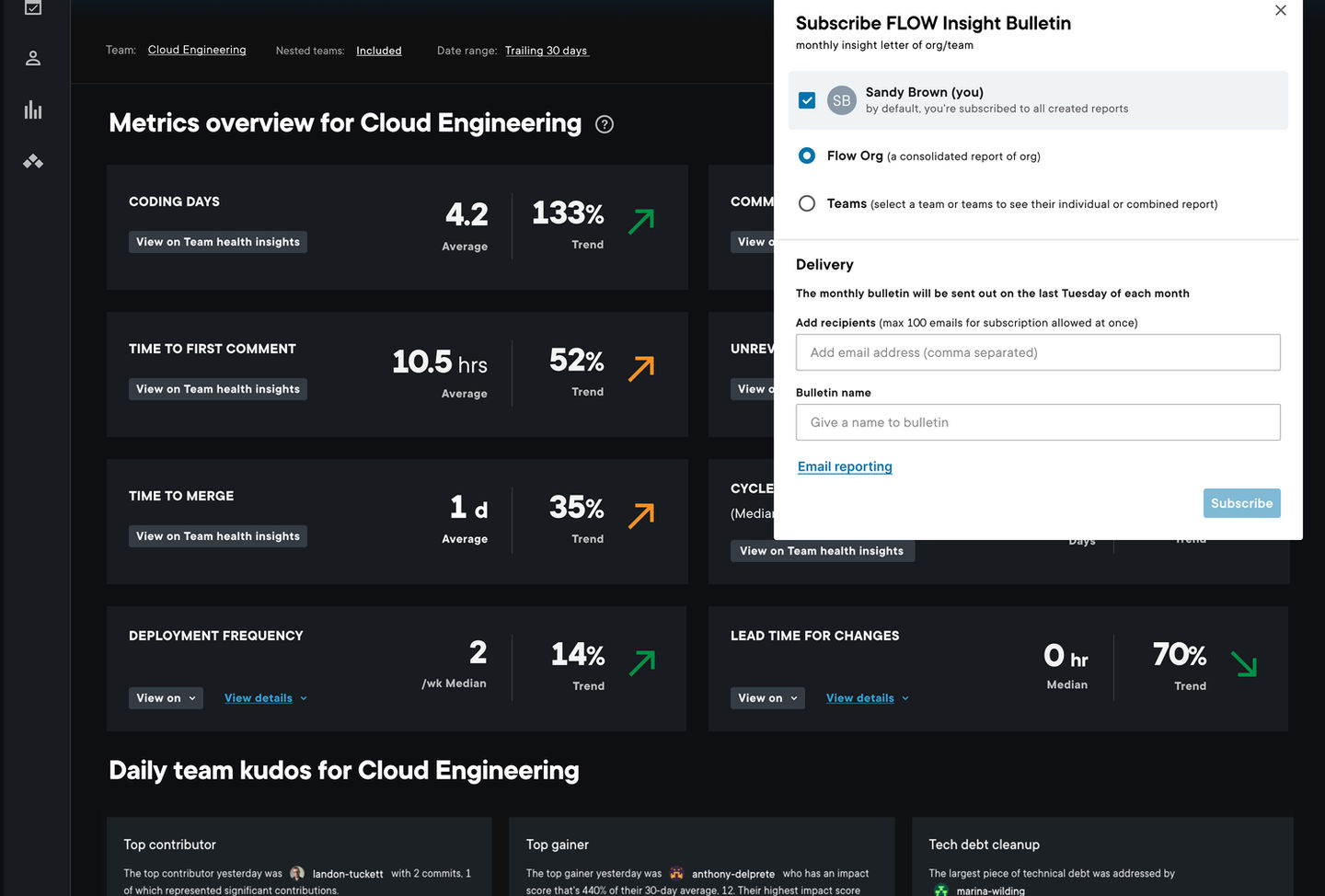
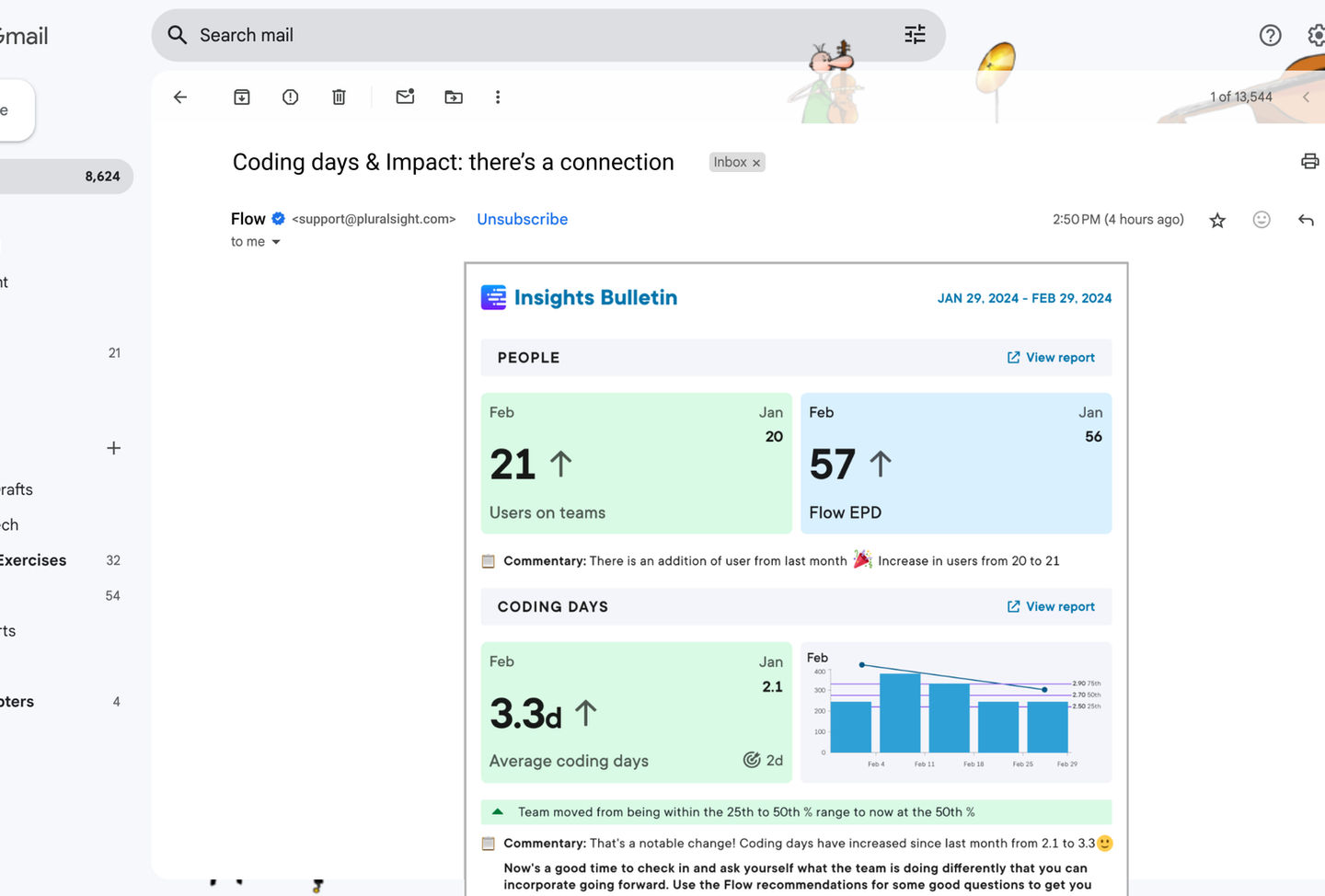
Experience 02
The design for receiving monthly reports focused on clarity and accessibility:
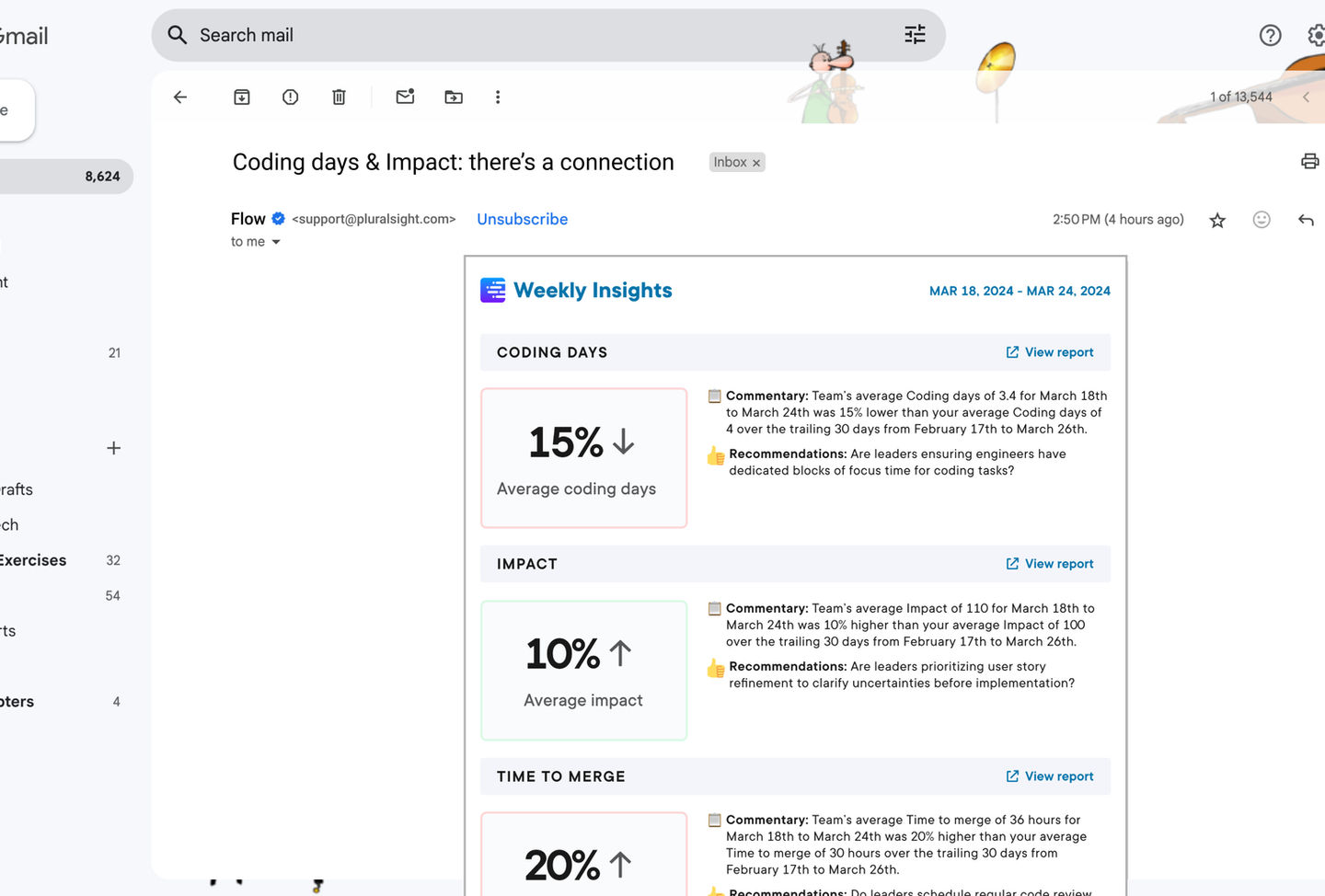
Experience 03
Weekly notifications were designed to keep users informed and engaged with timely updates:
Experience 04
To ensure users have full control over their notifications, I designed intuitive subscription management features:
Experience 05
To maintain consistency and avoid user confusion, I ensured the new smart notification system integrates seamlessly with the existing messaging system:
By designing these experiences with a user-centric approach, I aimed to create a smart notification system that enhances user engagement and aligns seamlessly with the existing "Flow" environment. The focus on clear, actionable, and customizable notifications ensures that users receive the information they need in a manner that is convenient and beneficial to them.
View final designs in FigmaCollaboration
In the project, while collaboration with over five teams was essential, my primary focus was working closely with the PM. Together, we held numerous intensive working sessions to document all scenarios, covering every permutation and combination of metrics — whether increasing, decreasing, stable, or aligning with industry benchmarks — and their implications for trends. We also conducted multiple rounds of reviews with stakeholders and the content team to ensure comprehensive analysis and alignment.
Take a look at all scenariosWhat We Expect
In this project, we aim to solve the problem of creating an engagement loop for our users. Our target personas are busy individuals who prefer concise and relevant information. To address their needs, we designed a reporting system that provides key insights into their teams' usage of Flow. Initially, the system highlights whether their teams are actively using Flow. If so, it further details their achievements and any areas requiring immediate attention. Users can click on specific reports to access Flow for a more detailed view of other metrics.
Our intent is not to use this information as a tool for pressure, but to foster a healthy work culture within teams and upper management. By delivering valuable insights, we aim to increase the likelihood of repurchasing Flow, thereby retaining our customers.